Volume 18: The Lockshield Letter
Oct 1, 2026







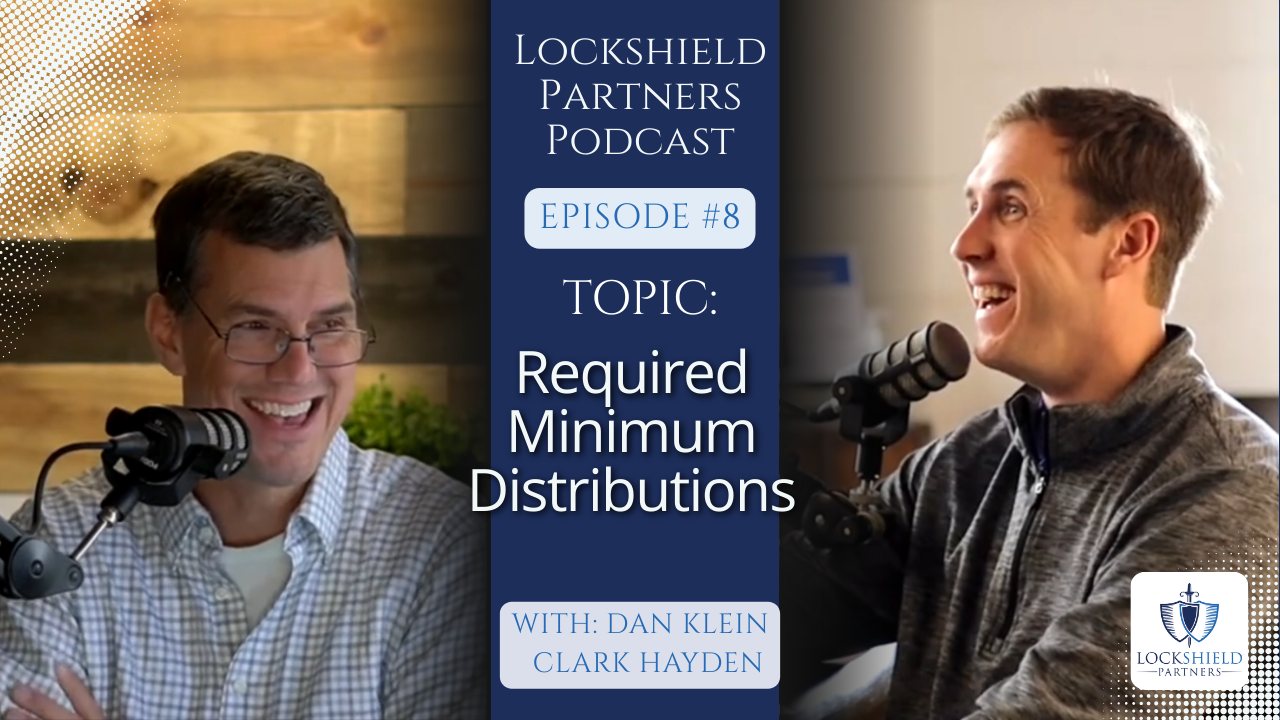
Required Minimum Distributions, or RMDs, start at age 73 for anyone with traditional IRAs, and this is the point where the IRS essentially says, “It’s time to start paying taxes.” Since these accounts were funded with tax-deferred dollars, the government requires you to begin taking money out so it can be reported as income. The amount you need to withdraw each year is based on your December 31 account balance and an IRS life expectancy table, which assigns a factor for each age — at 73, that works out to 3.65%, and the percentage gradually increases as you get older.
The IRS doesn’t tell you what to do with the money once it’s withdrawn; it just needs to be taken and properly reported. You might move it to your checking account, transfer shares into a taxable investment account, or even use it for a Qualified Charitable Distribution. RMDs are generally due by December 31 each year, though in your first year you can wait until April 1 of the following year.
If you have multiple traditional IRAs, the IRS allows you to aggregate the total RMD amount and take it from whichever account makes the most sense. Missing your RMD can result in a 25% penalty, so understanding how the rules work can help you avoid costly mistakes and stay on track.
Please consult your tax preparer and/or Financial Advisor for specific recommendations.
Tips, advice, and more